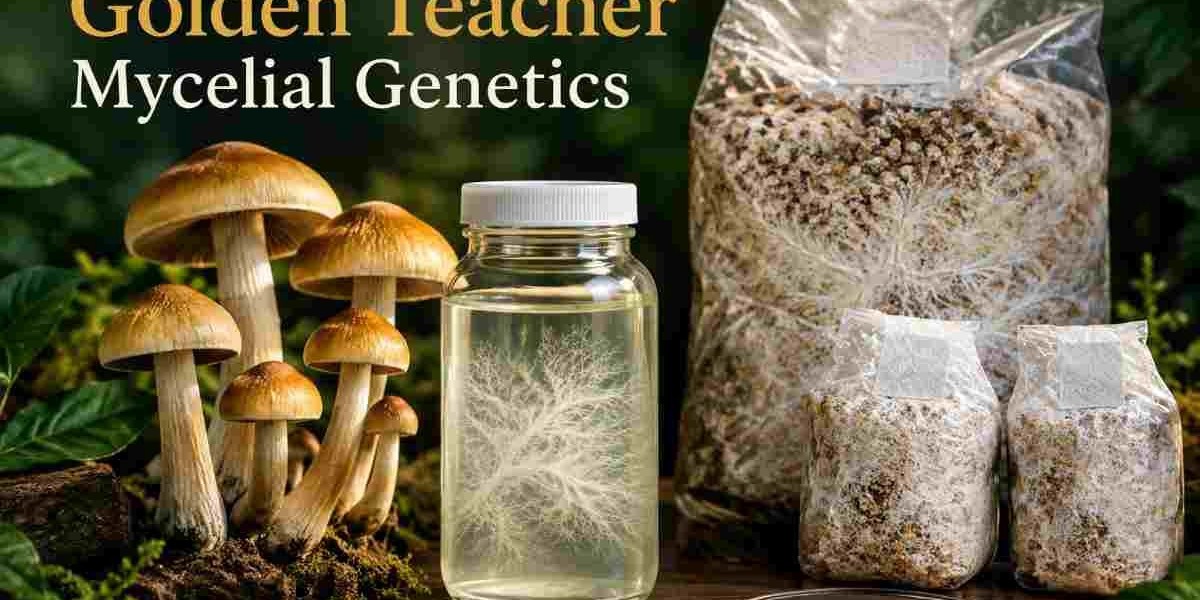

Understanding Ready-to-Fruit Options
Mushroom cultivation has become an increasingly interesting area for people studying fungal biology, genetics, and controlled growing systems. Ready to fruit mushroom bags represent one format designed to simplify the starting stage by providing a prepared growing medium in a contained bag. Rather than focusing on extensive preparation, these products allow readers to learn about the relationship between fungal mycelium, environmental conditions, and fruiting development. Understanding how prepared mushroom-growing formats work can also provide useful background for anyone interested in mycology and mushroom genetics.
The Role of Prepared Growing Media
Prepared growing formats are useful from an educational perspective because they demonstrate how mycelium interacts with a substrate. A suitable substrate provides nutrients and physical structure for fungal growth, while the surrounding environment influences how the organism develops. Studying these relationships can help beginners understand why cleanliness, environmental stability, and appropriate conditions are important concepts in mushroom biology.
Exploring Ready-to-Fruit Mushroom Blocks
Ready to fruit mushroom blocks provide another way to examine the relationship between an established fungal culture and its growing medium. A block generally combines a prepared substrate with fungal material in a format intended to support later fruiting. From a mycology perspective, this format illustrates how fungi colonize organic materials and eventually transition between different stages of development. It also provides an accessible example of how commercial mushroom products can package complex biological processes into a convenient format.
Why Substrate Structure Matters
The physical structure of a growing medium can influence moisture retention, gas exchange, and the availability of nutrients to fungal organisms. Different mushroom varieties can also display different growth characteristics because of their genetics and biological requirements. These factors make substrate science an important part of understanding modern mushroom cultivation without reducing the subject to a single growing method.
Understanding the Ready-to-Fruit Bag Concept
For people researching growing mushrooms from a ready to fruit bag, the most useful starting point is understanding what makes this format different from beginning with individual ingredients. A prepared bag combines several stages of preparation into a single product, allowing the user to focus more on observing fungal development. This can make the format particularly useful for learning about mycelial growth, environmental responses, and the transition from colonized substrate toward fruiting.
Observing Fungal Development
Mushroom development can be viewed as a sequence of biological changes rather than simply the appearance of a fruiting body. Mycelium establishes itself within a nutrient source before environmental signals can contribute to later developmental stages. Observing these changes can help readers develop a stronger understanding of fungal life cycles and the importance of genetics in determining growth characteristics.
Golden Teacher and Mycelial Genetics
The term golden teacher liquid culture connects two important areas of mycology: the study of a particular mushroom variety and the biology of liquid-based fungal cultures. In general terms, liquid culture is a suspension containing fungal mycelial material within a nutrient-containing liquid environment. Studying this concept can help explain how researchers and mycologists examine mycelial growth, culture characteristics, and genetic consistency. The Golden Teacher name is commonly associated with a particular mushroom variety, making genetics an important part of understanding discussions surrounding it.
Why Genetics Matter in Mycology
Genetics influence numerous characteristics of fungi, including growth patterns, morphology, environmental responses, and fruiting characteristics. However, genetics are only one part of fungal development. Environmental factors and the growing medium also contribute to how an organism expresses its characteristics. This interaction between genetics and environment is one reason mycology remains a broad and fascinating field of biological study.
MycoBag as a Modern Mushroom Format
A mycobag can be understood as a bag-based format used in mushroom cultivation and mycology products. Its enclosed design can provide a practical way to contain a prepared substrate or fungal growing material while allowing users to observe developmental changes. From an educational standpoint, bag-based systems demonstrate how packaging, substrate preparation, and fungal biology can be combined into a single cultivation format. They also reflect the growing interest in making mushroom-related learning more approachable for newcomers.

Connecting Products With Fungal Biology
Commercial mushroom products can introduce beginners to concepts that are otherwise difficult to understand from theory alone. Prepared bags, blocks, and culture-based formats provide examples of how mycelium interacts with its environment. At the same time, readers should recognize that different mushroom species and varieties can have different biological characteristics, so information about one type of fungus should not automatically be applied to another.
The Relationship Between Mycelium and Fruiting
Mycelium is the vegetative network of a fungus and plays a central role in nutrient acquisition and development. It consists of microscopic structures called hyphae, which collectively form an interconnected network. When environmental and biological conditions are appropriate, some fungi can transition from extensive mycelial growth toward producing reproductive structures.
This relationship helps explain why mushroom products often focus on the condition of the underlying growing medium. Healthy fungal development depends on interactions among genetics, available nutrients, moisture, temperature, gas exchange, and other environmental variables. Looking at these factors together gives readers a more complete picture of fungal biology than considering fruiting alone.
Why Mushroom Genetics Deserve Attention
Genetics provide an important foundation for understanding differences among mushroom varieties. Closely related fungal varieties may display recognizable differences in appearance or development, while environmental conditions can further influence those characteristics. For anyone researching mushroom genetics, it is therefore useful to distinguish inherited biological traits from characteristics produced by environmental conditions.
Modern mycology increasingly considers genetics alongside substrate science and environmental biology. This broader perspective can help readers understand why mushroom research encompasses everything from microscopic mycelial structures to large-scale commercial production.
Building a Foundation in Mycology
Learning about prepared mushroom products can be an effective way to introduce broader concepts in fungal science. Rather than viewing a mushroom only as a harvested fruiting body, readers can consider the entire organism and its life cycle. Mycelium, genetics, substrate, environmental conditions, and fruiting are interconnected parts of that system.
For readers exploring Full Canopy Genetics and related mushroom resources, these concepts provide useful background for understanding terminology commonly used throughout the field. A strong foundation in fungal biology can also make it easier to evaluate mushroom-related information critically and distinguish general scientific principles from claims that require additional evidence.
Final Thoughts
Understanding mushroom cultivation formats becomes more meaningful when viewed through the wider lens of fungal biology. Prepared bags and blocks illustrate the relationship between mycelium and substrate, while liquid culture introduces another perspective on fungal growth and genetics. Golden Teacher-related discussions can further demonstrate why genetic characteristics are an important subject within mycology. By approaching these topics through biology, genetics, and responsible research, readers can develop a clearer understanding of the fascinating processes that shape mushroom development.